.

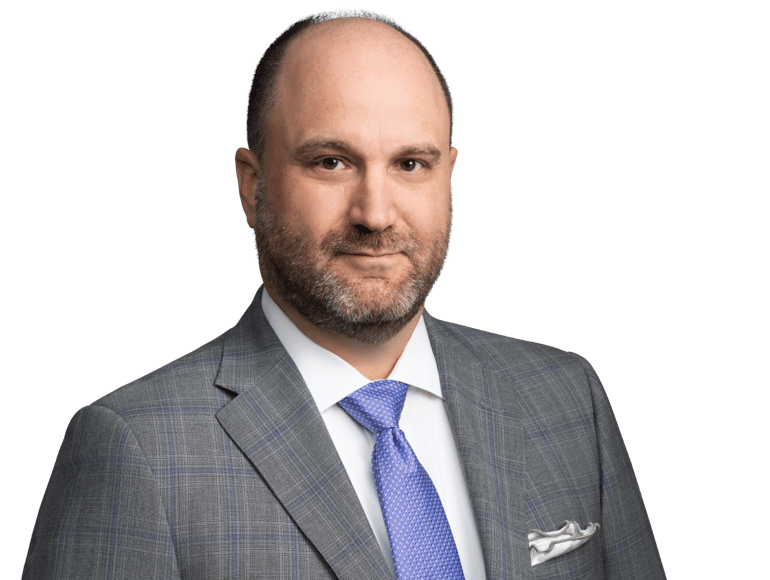
Todd J. Leon

Co-Chair, Insurance Services Practice

Co-Chair, Cannabis Law Practice

Portrait of Todd J. Leon

As Co-Chair of the firm’s Insurance Services Practice, Todd leads the group’s efforts throughout the Northeast, guiding strategy, as well as handling and overseeing matters involving insurance coverage, extra-contractual exposure, and bad faith litigation. In his role, Todd also drives key initiatives, supports practice development, and ensures the group delivers comprehensive, results-driven representation to insurers facing complex coverage disputes and high stakes bad faith claims. With nearly three decades of extensive experience, Todd has litigated a wide variety of claims at the trial and appellate levels of both the state and federal courts. Admitted to practice in both Pennsylvania and New Jersey, he splits his time between our Philadelphia and Mount Laurel offices.

Todd is particularly experienced in managing cases that involve sophisticated "risk shifting" issues, including both additional insurance coverage and contractual indemnification. He has worked on a wide array of insurance coverage matters, spanning a broad base of first- and third-party claims and policy types. Todd has counseled insurers, third-party administrators and self-insureds throughout the life cycle of a matter, from the drafting of policy language to pre-suit investigation to the drafting of coverage opinions to litigating matters through the trial and appellate courts. 

Todd lives with his wife, two children, pug (Lola) and French Bulldog (Beau) in Bucks County, PA. In his spare time, he is an avid fan of Philadelphia's professional sports teams and Rutgers basketball and football, and he plays in a modified fast-pitch, wood bat softball league. Todd is active in his synagogue, Shir Ami in Bucks County, and is a former member of its Board of Directors.

    • Rutgers Law School (J.D., 1998)
    • Rutgers, The State University of New Jersey (B.A., 1995)
    • New Jersey, 1998
    • Pennsylvania, 1998
    • U.S. District Court District of New Jersey, 1998
    • U.S. Court of Appeals 3rd Circuit, 2001
    • U.S. District Court Eastern District of Pennsylvania, 2011
    • U.S. Supreme Court, 2016
    • U.S. District Court Middle District of Pennsylvania, 2024
    • New Jersey Law Journal's New Leaders of the Bar (2013)
    • New Jersey Super Lawyers Rising Stars (2009-2013)
      The Super Lawyers list is issued by Thomson Reuters. A description of the selection methodology can be found here. No aspect of this advertisement has been approved by the Supreme Court of New Jersey.
    • Claims & Litigation Management Alliance
    • Defense Research Institute
    • New Jersey Defense Association
    • Successfully represented a state-created medical malpractice insurer in a matter involving fraud in the application for an insurance policy, successfully arguing before the state Supreme Court for the remedy of voiding the policy and reforming the policy limits to $0.
    • Extensive experience representing insurers on numerous risk-shifting claims for contractual indemnification and additional insurance coverage, including in matters stemming from worksite accidents, construction defects, slip-and-falls, product liability and vendor claims, and a range of other factual scenarios.
    • Represented an insurance industry group as amicus curiae in a matter requiring interpretation of the prospective or retroactive application of a statutory amendment.
    • Defended insurers in a broad array of cases involving insurance coverage issues arising from construction defect claims arising out of residential and commercial projects.
    • Represented insurers in a variety of insurance coverage claims under automobile liability policies, including for permissive use, loading and unloading, and uninsured and underinsured motorists coverage.
    • Defended insurers and their third-party administrators against insurance coverage claims stemming from employment practices, liability, education and land use claims.
    • DeMarco v. Stoddard - A Behind the Scenes Look at the Decision by the Supreme Court of New Jersey on Fraud in the Application for a Medical Malpractice Insurance Policy, National Academy of Continuing Legal Education, April 2016
    • Shifting the Risk: Tips and Tools for Transferring Liabilities Via Indemnification Agreements and Insurance Procurement Obligations of Indemnitors, New Jersey Law Journal In-House CLE Seminar, November 2012

Results

Thought Leadership

Law360

Law360 - State Of Insurance Q1 Notes From Pennsylvania

April 28, 2026

The first quarter of 2026 has already featured several noteworthy insurance opinions in Pennsylvania, addressing recurring but unsettled legal questions with significant practical consequences. From causation standards in first-party property claims, to the scope of statutory bad faith liability, to the enforceability of arbitration provisions in uninsured motorist and underinsured motorist disputes, these cases illustrate how Pennsylvania courts continue to refine the boundaries of coverage and dispute resolution. Collectively, they provide important guidance to insurers, policyholders and practitioners navigating an evolving legal landscape.

Legal Update for Cannabis Law

Marijuana Reclassified: Preliminary Impacts on Homeowners Coverage Issues

April 27, 2026

On April 23, 2026, the United States Department of Justice and Drug Enforcement Administration announced an order reclassifying certain marijuana products from Schedule I to Schedule III under the Federal Controlled Substances Act. This move represents the most significant shift in federal cannabis policy in decades. While much of the public discussion thus far has focused on the tax and criminal implications of the change, there are more nuanced questions for insurers – particularly in the context of homeowners policies and the enforceability of exclusions for “controlled dangerous substances.” The Regulatory Shift For decades, marijuana was classified as a Schedule I drug under the Controlled Substances Act. That classification, on a tier reserved for substances with no accepted medical use and a high potential for abuse, aligned marijuana with substances like heroin, LSD and peyote. The April 2026 order altered that framework by recognizing that FDA-approved products containing marijuana and marijuana products regulated by a state medical marijuana license will be reclassified in Schedule III of the Controlled Substances Act. This move indicates at least some level of federal recognition that state-licensed marijuana has accepted medical uses and a lower potential for abuse.  Importantly, the change is limited. The reclassification does not federally legalize marijuana, and recreational cannabis generally remains a Schedule I substance. This bifurcated treatment of medical versus recreational marijuana use will likely become central to future discussions, including insurance coverage litigation. Implications for Homeowners Policies Most standard homeowners policies contain exclusions for losses “arising out of” the use, sale, manufacture, delivery, transfer or possession of controlled substances, as defined by the Federal act. Notably, the standard “controlled substances” exclusion in policies specifically references cocaine, LSD, marijuana and narcotic drugs. The rescheduling of marijuana to Schedule III raises the key question of how or whether the “controlled substances” exclusion will continue to apply. At this point, the answer to this question appears to be that the provision will continue to preclude coverage for losses arising out of marijuana claims, since Schedule III substances remain “controlled substances” under federal law and marijuana remains listed, by name, in the exclusion. To be clear, the reclassification does not remove marijuana from the statutory framework; it merely places marijuana in a less restrictive category of the Controlled Substances Act. Moving forward, insurers will likely argue that the plain language of the exclusion means that the provision continues to apply. For their part, policyholders may begin to push back on that interpretation, particularly in jurisdictions like Pennsylvania and New Jersey, where legalized cannabis regimes are well-established. The argument will be that conduct authorized by state law, and now partially recognized at the federal level, should not trigger exclusions designed to address criminal or inherently hazardous activity. Ultimately, any coverage disputes will likely turn on traditional principles of policy interpretation: plain meaning, ambiguity, and the reasonable expectations of the insured. Courts in Pennsylvania and New Jersey, both of which have robust bodies of insurance coverage law, will play an important role in shaping how these disputes are resolved. Conclusion The move of FDA-approved drug products containing marijuana and medicinal marijuana products subject to a qualifying state-issued license to Schedule III is an important step in federal drug policy, but its immediate impact on homeowners insurance is limited. Simply put, marijuana remains a controlled substance, such that standard exclusions to homeowners policies should continue to apply. Moving forward, the most significant effects of the change in classification will emerge in close cases, particularly in states like New Jersey where recreational and medical marijuana is legal (at least to some degree) under state law. For now, the change creates more questions than answers. Those questions, which are likely to be centered on policy language, legality, and causation, are likely to shape the next wave of coverage litigation in this area.

Firm Highlights

News

Marshall Dennehey’s John J. Hare Brings Home Attorney of the Year Honors; Firm Named Litigation Department of the Year in Two Categories

Marshall Dennehey took home top honors in three categories at the The Legal Intelligencer’s 2026 Pennsylvania Legal Awards, held June 11 in Philadelphia. The first place awards include: Attorney of the Year: John J. Hare, Chair of the firm’s Appellate Advocacy & Post-Trial Practice Group and Executive Committee member, together with Charles “Chip” Becker of Kline & Specter Litigation Department of the Year, Appellate – Third Win in a Row! Litigation Department of the Year, Product Liability/Mass Torts “There is no one more deserving of Attorney of the Year honors than John. This award is a testament to his exceptional skill, dedication, and leadership—qualities that truly exemplify the very best of our firm,” said G. Mark Thompson, Marshall Dennehey’s President & CEO. “These honors also reflect the strength and depth of our product liability, mass torts, and appellate practices across Pennsylvania and beyond, underscoring our ongoing commitment to delivering outstanding results for our clients.” Attorney of the Year – John J. Hare, Marshall Dennehey, together with Charles “Chip” Becker, Kline & Specter Over the past year, John and Charles were opposing counsel in many of the highest-profile civil appeals in Pennsylvania. John is renowned as a preeminent appellate lawyer on the defense side, and Chip on the plaintiff's side. They have opposed each other repeatedly, exhibiting peerless professionalism and exceptional civility, while zealously litigating under the unremitting pressure of high-profile litigation and record-setting verdicts totaling more than $3.5 billion. They have also collaborated, outside of litigation, on many commissions, committees, and projects of importance to the Pennsylvania judiciary and legal community. Litigation Department of the Year – Appellate Law, Winner (previous winner, 2025 and 2024) 2025 was another standout year for the firm’s Appellate Advocacy & Post‑Trial Practice Group, led by John J. Hare, which was retained to challenge many of Pennsylvania’s “nuclear” verdicts—awards exceeding $10 million. Notably, the department persuaded the Pennsylvania Superior Court to reverse a Philadelphia judgment of $1.09 billion, the largest judgment ever overturned by a Pennsylvania appellate court. The group’s 11 full‑time Pennsylvania‑based appellate lawyers are at the center of Pennsylvania’s most high-profile matters, bringing more than 150 years of combined appellate experience. They routinely handle post‑trial and appellate matters and are frequently engaged to participate in and monitor trials in high‑exposure cases to ensure that critical legal issues are properly raised and preserved for appeal. Litigation Department of the Year – Product Liability/Mass Torts, Winner This marks the first win for the firm’s Pennsylvania Product Liability and Mass Torts practices, which operate within our Casualty Department, managed by Matthew Schorr and Jeff Rapattoni. For almost five decades, Fortune 500 product manufacturers/distributors and their insurers have turned to these groups to defend their litigation. Led by Bradley D. Remick and Vlada Tasich, our Product Liability group’s success can be attributed to its commitment to keeping abreast of ever-changing legal theories, judicial viewpoints, and evolving technology impacting the product liability landscape. Our attorneys have successfully handled thousands of product liability matters in all jurisdictions across the state. Likewise, our mass tort litigation practice – divided into Asbestos & Mass Tort, and Environmental & Toxic Tort Litigation –  has defended manufacturers, distributors, contractors, and premises owners in thousands of personal injury and other claims. Led by Kevin E. Hexstall and Patrick T. Reilly, most attorneys in these groups have more than 20 years of experience, and our seasoned trial team has tried hundreds of cases to verdict, consistently achieving strong results through both trials and settlements. In addition to these awards, Marshall Dennehey was a Litigation Department of the Year finalist for Professional Liability.

Result

No-Cause Jury Verdict Secured in Wrongful Death Trial

We successfully obtained a no-cause jury verdict in a 13-day wrongful death trial. The decedent, a 59-year-old man, was admitted to the emergency room on February 15, 2019, with complaints of abdominal pain, decreased appetite, and constipation, despite the use of laxatives. The patient did not complain of any nausea, vomiting, or diarrhea. He had a significant medical history including diabetes, hypertension, prior coronary artery stenting, morbid obesity (with past gastric bypass surgery), longstanding ventral hernia, and back pain. A CT scan revealed multiple hernias and a potential closed-loop bowel obstruction, leading to a surgery consultation. Our client, an emergency general surgeon, interpreted that the patient did not have a closed loop or any significant obstruction and recommended non-surgical management. The patient was approved to have clear liquids, and had a vomiting incident shortly after, but our client was not notified. The patient was returned to NPO status, and after improving overnight, he was returned to “clears” and additional medical and renal consults were ordered. Our client did not receive any communications from the residents/nurses of any changes in the patient’s condition. On February 18, 2019, two rapid responses were called due to increased heart rate and vomiting. It is believed that the vomiting resulted in aspiration, causing sepsis, ultimately leading to the patient’s death. During the trial, the plaintiff’s sole medical expert highlighted imaging on the wrong hernia, which called into question all of his opinions in the case. We made key objections related to the expert testimony, limiting what the allegations were, and preventing new allegations from being made. After approximately two and a half hours of deliberating, the jury returned a no-cause verdict. 

Thought Leadership

SIDEBAR: News and Happenings

We are pleased to share that attorneys from our health care team have been selected to the 2026  New Jersey and Pennsylvania Super Lawyers and Rising Stars lists. Their dedication to clients and commitment to high-quality work continues to strengthen our firm! Please join us in congratulating: NJ Super Lawyers: Robert T. Evers and Justin F. Johnson NJ Super Lawyer Rising Stars: Nataliana A. Guida  2026 Pennsylvania Super Lawyers: Alyson J. Kirleis and Gary M. Samms 2026 Pennsylvania Rising Stars: Holli K. Archer and Daniel Dolente Victoria Scanlon (Scranton) was a faculty presenter at the 2026 American Roentgen Ray Society (ARRS) Annual Meeting in Pittsburgh. She participated in the “Resident Symposium: Producing Quality Reports,” focusing her presentation on “How to Write a Great Report: Malpractice Lawyer’s Perspective.” Vicky, the only attorney presenter for this two-hour segment, was joined by several health care professionals including diagnostic radiologists, an interventional radiologist, an internal medicine physician, and a radiologist turned AI entrepreneur expert.  Matthew Keris (Scranton), President of the Pennsylvania Association for Health Care Risk Management (PAHCRM) and shareholder in our Scranton Health Care Department, presented an important and timely session titled “Keynote Address: A Conversation with RaDonda Vaught on Criminalizing Errors” at PAHCRM’s Annual Meeting in April. RaDonda is a former Tennessee nurse widely known for being criminally convicted in 2022 of negligent homicide and gross neglect after a 2017 fatal medication error at Vanderbilt University Medical Center. Her case gained national attention because she was criminally prosecuted rather than just facing licensing board action, sparking debate over blaming individual nurses for systemic healthcare failures. Matt and RaDonda’s conversation explored one of the most consequential issues in health care risk management today—how systems respond to human error, and what it means for patient safety, accountability, and the professionals who serve on the front lines. Gary Samms was a panelist for a podcast hosted by the Medical Liability Monitor, “From Outliers to Pattern: The Increasing Predictability of Megaverdicts in the Med-Mal Industry – and How to Reduce the Likelihood of Getting Hit with One.” Gary discussed the changing megaverdict landscape and why “outlier” verdicts are becoming structural, in addition to how plaintiffs turn weaknesses into megaverdicts (including building emotional narrative and jury psychology). Thank you to our clients who joined us for our Trends in Health Care & Health Law seminar on May 14. Led by our Health Care Department Director and Assistant Director, Robin Snyder and Donna Modestine, the session explored key issues that are currently shaping outcomes in health care litigation. We owe a debt of gratitude to our esteemed guest speaker, Mary Ellen Nepps, Esq., Senior Counsel, University of Pennsylvania, who presented “Medical Malpractice Litigation: Driving Another Health Care Crisis in Pennsylvania.” And special thanks to our attorneys who presented and shared their insights, including John J. Hare and Holli Archer who discussed “Highlights in PA Medical Malpractice Law;” David Drake for his presentation, “From Claims to Courtroom: Key Trends in NJ Medical Malpractice Litigation;” and Matthew Keris with an “Update on Health Care Tech Discovery.” Thank you to all of our clients for entrusting us with your health care litigation. We are proud to partner with you as we defend your interests and navigate legal landscapes together.

Thought Leadership

Casual Care, Serious Consequences: How Informal Prescribing Can Trigger Medical Board Scrutiny

The lesson for health care practitioners is that regular review of the regulatory requirements can ensure compliance and that casual prescribing may be in violation of state regulations if the necessary components are not met. Consider the following scenario: in December 2025, a medical provider renewed a prescription for a long-standing telemedicine patient receiving a Schedule II controlled dangerous substance. This was not a violation of the New Jersey Administrative Code. Another provider doing the same action for an equally situated patient in March 2026 would be in violation. The casual prescriber who is not aware of newer regulatory requirements may have a more difficult time responding to a medical board complaint. Medicine is a highly-regulated helping profession. Without addressing the merits of this regulatory burden, the practice of medicine continues to see drastic changes impacting the everyday life of patient and provider. Telemedicine, COVID-19, and other advances and roadblocks, present a challenge to those saving lives while attempting to comply with the rules of practice. Physicians often discover—through real cases and the lens of regulatory expectations—that even well-intentioned informal help can be reinterpreted as stepping outside mandated professional boundaries, and seemingly harmless actions can be construed as deviations from required practice standards specifically outlined in Title 13, Chapter 35, Subchapters 7.1A of the New Jersey Administrative Code. Title 45, "Professions and Occupations," of the New Jersey code governs the practice of medicine, nursing, optometry, pharmacy, and many other professional occupations. Section 9 specifically addresses the state board of medical examiners and allows for the creation of rules and regulations in Section 45:9-5.3. These regulations can be found in the New Jersey Administrative Code Title 13, Chapter 35. While broad in scope, Chapter 35 contains a subchapter dedicated to the administration and dispensing of prescription drugs. Such knowledge will arm physicians with the tools they need to prevent a negative outcome if a medical board complaint is filed. Likewise, attorneys must be familiar with these regulatory requirements when advising and defending providers. In New Jersey, N.J.A.C. Section 13:35-7.1A(a) requires that a practitioner conduct an examination and appropriately document the same within the medical record before dispensing drugs or issuing prescriptions. The examination must include an "appropriate history and physical examination," a diagnosis based upon the examination and any testing consistent with good medical care, the formulation of a therapeutic plan discussed with the patient, and the availability of appropriate follow-up care. There are only six exceptions to this requirement: In admission orders for a newly hospitalized patient For a patient of another physician for whom the practitioner is taking calls For continuation medications on a short-term basis for a new patient prior to the patient's first appointment For an established patient who, based on sound medical practice, the physician believes does not require a new examination before issuing a new prescription For a patient examined by a healthcare professional who is in collaborative practice with the practitioner When treatment is provided by a practitioner for an emergency medical condition Emergencies are also limited to situations where someone's health is in serious jeopardy, there is serious impairment to bodily functions, or serious dysfunction of any bodily organ or part. During the COVID-19 pandemic, then New Jersey Governor Phil Murphy issued an executive order declaring a public health emergency and a state of emergency that allowed authorized prescribers to prescribe Schedule II controlled dangerous substances via telemedicine. The order was terminated when he left office earlier this year and the state reverted to the requirement of an initial in-person examination and quarterly in-person visits. With this return to prior regulatory requirements, practitioners subject to the jurisdiction of the board of medical examiners may benefit from a refresher on the regulatory limitations on their practice now that the pandemic-era flexibilities have ended. This new requirement may create confusion for prescribers and lead to casual prescribing of medication in violation of the regulations, even in the setting of recurrent telemedicine appointments as noted in the example above. Casual prescribing can take many forms: filling a prescription request from a friend or family member without an examination or contemporary medical record; using telemedicine to expand your practice without proper in-person appointments or documentation in the medical record; failing to ensure appropriate follow-up care for a "one time" prescription; etc. Although not all board complaints end in a publicly available opinion, serious deviations from regulatory requirements can shine a light on practices that will require action by the board if a complaint is received. Consider the following cases: In October 2025, the board issued a final consent order in an administrative action where a doctor provided opioids without examination and his license was permanently revoked. In re Robert Dela Gente, D.O., N.J. State Bd. of Med. Exam'rs Oct. 21, 2025. Criminal charges were filed (though that is not always the case). In a September 2025 consent order, a physician was reprimanded for "prescribing opioids several months in advance without the proper patient follow-up..." and explained that they did so for "patients who can not pay for multiple visits to refill medications." In re A/an E. Schultz, M.D., N.J. State Bd. of Med. Exam'rs Sept. 25, 2025. Another physician was suspended and placed on probation in a consent order for prescribing three patients the weight-loss medication "Ozempic" via text messages through a website called "Push Health" and without any further communication with the patients or taking a medical history. In re Laura E. Purdy, M.D., N.J. State Bd. of Med. Exam'rs Aug. 29, 2025. A June 2025 interim consent order required a "full evaluation and assessment of [a physician's] general knowledge and skill, with specific emphasis on his knowledge of and ability to safely prescribe [controlled dangerous substances]" due to his failure to review a patient's prior medical history and medical record, assess and review the prescription monitoring program before prescribing CDS, and conduct random urine screens on a patient that tested positive for CDS upon admission to his practice because "he trusted the patient." In re Donald Oh, M.D., N.J. State Bd. of Med. Exam'rs June 2, 2025. Each of these examples demonstrate a failure to follow strict procedure regardless of the intention. Failing to follow procedure secondary to good intentions, such as considering a patient's financial constraints, trust in the patient, or utilizing a new telemedicine service platform, will not be a defense to a board complaint. Especially when practicing via telemedicine, practitioners must ensure they are adhering to the appropriate regulatory standard. A provider who calls in a prescription for a traveling friend or family member or agrees to prescribe medication for individuals using the newest phone app will have a hard time meeting the requirements of N.J.A.C. Section 13:35-7.1A. Even if a history was taken, a "therapeutic plan" was created, and "follow up care" was provided, the prescriber would still not be in compliance with the regulation without an in-person examination. In our opening hypothetical, the prescriber's behavior did not change between December and March; however, the legal shift in the regulatory landscape made once acceptable behavior a violation as a required examination did not occur. When complaints are made with regard to informal prescribing, the board has discretion to employ measures to encourage compliance in lieu of formal proceedings such as a private, written warning; suspending fines subject to continuing compliance; medical or professional treatment as may be necessary; medical or diagnostic testing and monitoring; skills assessment; corrective training; participation in outreach programming; or contribution to the consumer fraud protection fund. The lesson for health care practitioners is that regular review of the regulatory requirements can ensure compliance and that casual prescribing may be in violation of state regulations if the necessary components are not met. Even compliant providers who had not conducted an in-person examination for telemedicine patients during the COVID-19 emergency would be in violation of the regulations as of January 2026 for the same practice. Practitioners should be diligent in adhering to the prescribing rules to avoid sanctions related to casual care. Likewise, attorneys advising or defending practitioners before the board must be aware of the in-person examination requirements for prescribing in New Jersey whether the care in question took place in-person or in a telemedicine setting. Reprinted with permission from the April 22, 2026 issue of the New Jersey Law Journal. ©2026 ALM Media Properties, LLC. Further duplication without permission is prohibited. All rights reserved.


