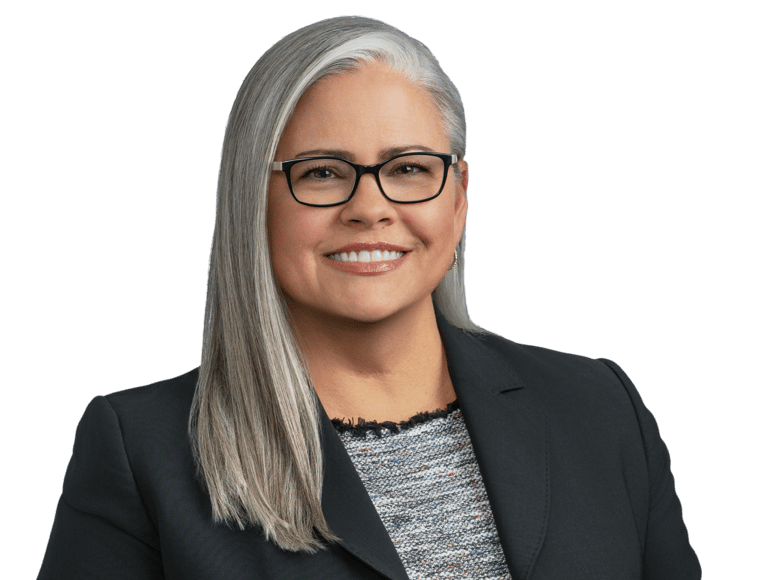
Marshall Dennehey is proud to highlight the firm’s 106 attorneys who have been recognized in the 2027 editions of The Best Lawyers in America® and the Best Lawyers: Ones to Watch® in America. Less than 6% of all practicing lawyers in the U.S. were selected by their peers for this recognition.
Additionally, four of the firm’s attorneys received the Best Lawyers® 2027 “Lawyer of the Year” awards in their respective practice areas and demographic regions.
Since it was first published in 1983, Best Lawyers® has become universally regarded as the definitive guide to legal excellence. Best Lawyers lists are compiled based on an exhaustive peer-review evaluation. For more information, please visit https://www.bestlawyers.com/.
OUR 2027 LAWYERS OF THE YEAR
Harrisburg, PA
Christopher Reeser, Personal Injury Litigation - Defendants
Kacey Wiedt, Workers Compensation Law - Employers
Roseland, NJ
Justin F. Johnson, Medical Malpractice Law - Defendants
Leonard Leicht, Personal Injury Litigation - Defendants
OUR 2026 BEST LAWYERS IN AMERICA
Philadelphia, PA
Nicholas D. Bowers, Personal Injury Litigation - Defendants
Josh J. T. Byrne, Professional Malpractice Law - Defendants
Jefferey J. Chomko, Insurance Law
James H. Cole, Insurance Law
John J. Delany III, Personal Injury Litigation - Defendants
Laurianne Falcone, Personal Injury Litigation - Defendants
John P. Gonzales, Employment Law - Management
John Hare, Appellate Practice
Daniel D. Krebbs, Personal Injury Litigation - Defendants
Michele Punturi, Workers' Compensation Law - Employers
Bradley D. Remick, Product Liability Litigation - Defendants
Andrea Cicero Rock, Workers' Compensation Law - Employers
Robin M. Romano, Workers' Compensation Law - Employers
Daniel J. Ryan, Jr., Personal Injury Litigation - Defendants
Gary M. Samms, Professional Malpractice Law - Defendants
Christopher N. Santoro, Personal Injury Litigation – Defendants; Product Liability Litigation -Defendants
Josh D. Scheets, Personal Injury Litigation - Defendants
Robert P. Schenk, Workers' Compensation Law - Employers
Robert E. Smith, Insurance Law
Robin Snyder, Litigation - Health Care
Michael L. Turner, Commercial Litigation; Criminal Defense: White-Collar; Mass Tort Litigation / Class Actions - Defendants
Claire Breaux Ventola, Product Liability Litigation - Defendants
Pittsburgh, PA
Melissa Devich Cochran, Commercial Litigation; Mass Tort Litigation / Class Actions – Defendants; Product Liability Litigation - Defendants
John F. Deasy, Personal Injury Litigation – Defendants; Product Liability Litigation - Defendants
Daniel W. Deitrick, Workers' Compensation Law - Employers
Douglas C. LaSota, Litigation - Construction; Mass Tort Litigation / Class Actions - Defendants
Joseph V. Lesinski, Product Liability Litigation – Defendants
Christian D. Marquis, Personal Injury Litigation - Defendants
Patricia A. Monahan, Insurance Law; Litigation - Insurance
Patrick T. Reilly, Commercial Litigation; Mass Tort Litigation / Class Actions – Defendants; Product Liability Litigation - Defendants
Brett C. Shear, Medical Malpractice Law - Defendants
Teresa O. Sirianni, Education Law; Employment Law – Management; Litigation - Labor and Employment
Stuart Sostmann, Product Liability Litigation – Defendants
Danielle M. Vugrinovich, Mass Tort Litigation / Class Actions - Defendants
Scranton, PA
Sarah E. Argo, Litigation - Insurance
Michael J. Connolly, Personal Injury Litigation – Defendants; Professional Malpractice Law - Defendants
Matthew Keris, Litigation - Health Care; Medical Malpractice Law - Defendants
John T. McGrath, Jr., Insurance Law; Medical Malpractice Law – Defendants; Product Liability Litigation - Defendants
William J. McPartland, Insurance Law
John R. Nealon, Product Liability Litigation - Defendants
Victoria Scanlon, Health Care Law; Litigation - Health Care; Medical Malpractice Law - Defendants
Michael A. Sebastian, Workers' Compensation Law - Employers
Thomas A. Specht, Insurance Law; Litigation - Insurance
Suzanne Tighe, Litigation Insurance
Harrisburg , PA
Casey Alan Coyle, Administrative/Regulatory Law; Appellate Practice; Commercial Litigation
Brittany E. Bakshi, Personal Injury Litigation - Defendants
Shannon P. Fellin, Workers' Compensation Law - Employers
Allison Krupp, Insurance Law
John R. Ninosky, Litigation – Insurance; Personal Injury Litigation - Defendants
Christopher Reeser, Personal Injury Litigation - Defendants
Kacey Wiedt, Workers' Compensation Law – Employers
King of Prussia, PA
Michael L. Detweiler, Construction Law
Joseph L. Hoynoski III, Medical Malpractice Law - Defendants
Gregory J. Kelley, Construction Law, Litigation - Construction
Anthony Natale III, Workers' Compensation Law - Employers
Francis X. Wickersham, Workers' Compensation Law - Employers
A. Judd Woytek, Workers' Compensation Law – Employers
Erie, PA
Patrick M. Carey, Personal Injury Litigation - Defendants
Joel M. Snavely, Health Care Law; Insurance Law
New Haven, CT
Michael Wrona, Commercial Litigation, Litigation - Bankruptcy
Mount Laurel, NJ
David D. Blake, Litigation - Insurance
Barbara Davis, Personal Injury Litigation - Defendants
Lynne Nahmani, Litigation - Health Care
John H. Osorio, Personal Injury Litigation - Defendants
John L. Slimm, Legal Malpractice Law – Defendants; Professional Malpractice Law – Defendants
Roseland, NJ
Robert T. Evers, Medical Malpractice Law - Defendants
Justin F. Johnson, Medical Malpractice Law - Defendants
Julia Klubenspies, Medical Malpractice Law - Defendants
Leonard C. Leicht, Personal Injury Litigation - Defendants
Patricia M. McDonagh, Appellate Practice
Sunny Sparano, Litigation - Construction
Randall S. Watts, Health Care Law
New York, NY
Tonya M. Lindsey, Medical Malpractice Law - Defendants
Tampa, FL
Michael Archibald, Personal Injury Litigation - Defendants
Lindsay G. McCormick, Litigation – Construction
Orlando, FL
Thomas F. Brown, Personal Injury Litigation - Defendants
Dante C. Rohr, Commercial Litigation
Fort Lauderdale, FL
Kimberly Kanoff Berman, Appellate Practice
Patrick M. Delong, Personal Injury Litigation – Defendants
Jacksonville, FL
Heather Byrer Carbone, Workers' Compensation Law - Employers
Linda Wagner Farrell, Workers' Compensation Law - Employers
Elizabeth B. Ferguson, Litigation - Construction
James P. Hanratty, Personal Injury Litigation – Defendants
Wilmington, DE
Sarah B. Cole, Litigation - Insurance
Benjamin K. Durstein, Workers' Compensation Law - Employers
Maria R. Granaudo, Medical Malpractice Law - Defendants
Keri L. Morris-Johnston, Workers' Compensation Law - Employers
Cincinnati, OH
Timothy B. Schenkel, Personal Injury Litigation - Defendants
David E. Williamson, Personal Injury Litigation - Defendants
Cleveland, OH
Vincent E. Cononico, Litigation – Insurance, Personal Injury Litigation - Defendants
Jillian L. Dinehart, Personal Injury Litigation - Defendants
David J. Fagnilli, Insurance Law
Jason P. Ferrante, Health Care Law, Litigation - Health Care
Andrew H. Isakoff, Transportation Law
Leslie M. Jenny, Litigation - Health Care; Medical Malpractice Law – Defendant
OUR 2026 BEST LAWYERS: ONES TO WATCH
Jacksonville, FL
Sean J. Reeves, Personal Injury Litigation – Defendants; Product Liability Litigation - Defendants
Orlando, FL
Carolin A. Pacheco, Insurance Law
Mount Laurel
Stacey Gorin, Insurance Law
Melville, NY
Kimberly Gitlin, Personal Injury Litigation – Defendants
Matthew A. Gray, Insurance Law; Personal Injury Litigation - Defendants
Philadelphia, PA
Holli K. Archer, Health Care Law; Medical Malpractice Law – Defendants; Professional Malpractice Law
Emily Pritchyk, Commercial Litigation; Product Liability Litigation – Defendants
Pittsburgh, PA
Taylor E. Kosko, Mass Tort Litigation / Class Actions – Defendants; Personal Injury Litigation - Defendants
Alana Staniszewski, Workers' Compensation Law - Employers
Michael D. Winsko, Product Liability Litigation – Defendants; Transportation Law
King of Prussia, PA
Richard Lechette, Commercial Litigation; Insurance Law, Personal Injury Litigation – Defendants