
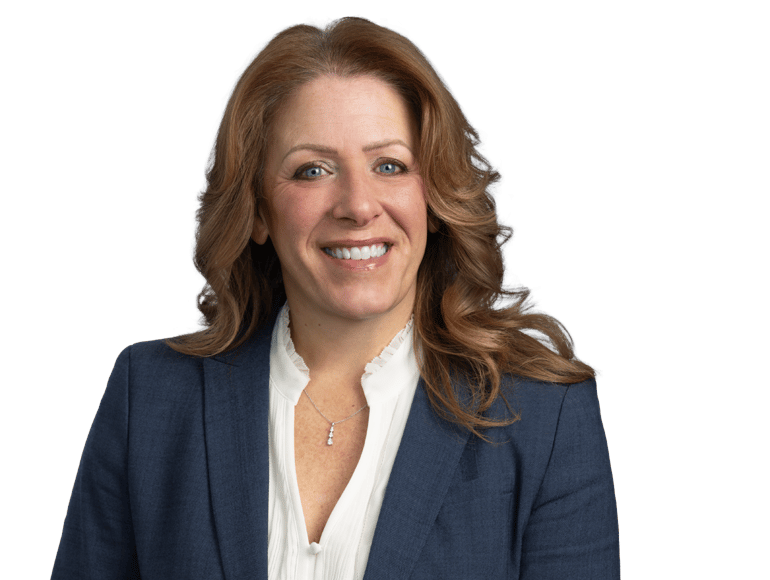
As a member of the Health Care Department, Leslie focuses her practice on the representation of medical professionals and providers, including physicians, hospitals and nursing home/extended care facilities. She serves as co-chair of the Long-Term Care Liability Practice, defending long-term care facilities and providers against personal injury claims. Leslie is an experienced litigator who has spent her 25-year legal career defending matters related to catastrophic medical malpractice, medical device and pharmaceutical liability, and long-term care. She has also handled veterinary negligence matters and matters before the Ohio Veterinary Medical Licensing Board.
Leslie is a Certified Professional in Healthcare Risk Management (CPHRM). In this role, she counsels and advises clients on the prevention, reduction and control of loss within their organizations. She works together with health care providers to assess, manage and update their risk management programs.
Leslie was recognized as the 2025 Cleveland "Lawyer of the Year" in the area of Litigation - Health Care by the Best Lawyers organization. She is a member of the Claims and Litigation Management Alliance, American Society for Healthcare Risk Management, DRI and several bar associations. She is a frequent speaker at events hosted by hospitals, nursing homes and professional organizations.
Results
Thought Leadership
The Quarterly Dose
Defense Victory: Summary Judgment Granted for Corporate Nursing Home Defendants in Medical Negligence Case
May 1, 2025
Leslie M. Jenny and Gabriella M. Wittbrod, both of our Cleveland, OH office, were granted summary judgment on behalf of their corporate nursing home clients in this medical negligence case. Judge Phillip S. Naumoff of the Richland County Court of Common Pleas granted our request, finding that the plaintiff failed to establish liability, causation or viable claims against individual employees—rendering vicarious liability inapplicable under Ohio law. Sarah Miller, as the Personal Representative of the Estate of Mary Holt v. Lexington Court Care Center, et al., Richland County Court of Common Pleas, 24-CV-288N, Judge Phillip S. Naumoff, was originally filed on August 4, 2021, naming corporate nursing home defendants and John Does. The John Does were later dismissed due to the expiration of the statute of limitations. The court granted summary judgment in favor of the defendants on May 17, 2023, because the remaining defendants were corporations, thus, incapable of acting on their own behalf. The plaintiff voluntarily dismissed her case and refiled on June 6, 2024. The court again dismissed the John Doe defendants for the same reason. The defendants filed a motion for summary judgment for the remaining corporate defendants. In his order, Judge Naumoff held that, pursuant to Clawson v. Heights Chiropractic Physicians, L.L.C., 170 Ohio St.3d 451, 214 N.E.3d 540, 2022-Ohio-4154, an employer cannot be held vicariously liable for an employee’s alleged negligence when all claims against the employee are non-viable or have been extinguished. Judge Naumoff noted: “While it is true, the Plaintiff can file a claim against either the principal of an agent, the plaintiff cannot recover against a principal if she cannot legally recover against an agent.” In her brief in opposition to the defendants’ motion for summary judgement, the plaintiff made several arguments that were rejected by the court. First, the plaintiff claimed this was a “medical claim,” not a medical malpractice claim; thus, Clawson does not apply. The court held that Ohio law and Ohio courts make no distinction between medical claims and medical malpractice. The plaintiff also claimed that Clawson does not apply to nursing home claims, to which the court responded that it apples to any employer/employee relationship. Judge Naumoff criticized the plaintiff’s complaint for being vague, stating that it “contains ninety-five paragraphs of repetitive allegations that throw a few scant facts and a mass of legal standards and legal conclusions together in a hodge-podge.” Further, he reviewed the plaintiff’s expert report and found the physician who reviewed the case only mentioned the nursing home and its staff—there was no mention of any of the named corporate defendants. The court also found that the plaintiff’s expert report did not address causation whatsoever. Judge Naumoff dismissed all non-negligence claims for failure to state a claim, and he granted our request for summary judgment in favor of all the defendants on the remaining claim of medical negligence because the plaintiff failed to establish a duty of the defendants and/or causation. The Quarterly Dose – May 2025, has been prepared for our readers by Marshall Dennehey. It is solely intended to provide information on recent legal developments and is not intended to provide legal advice for a specific situation or to create an attorney-client relationship. We welcome the opportunity to provide such legal assistance as you require on this and other subjects. If you receive the alerts in error, please send a note to tamontemuro@mdwcg.com. ATTORNEY ADVERTISING pursuant to New York RPC 7.1. © 2025 Marshall Dennehey. All Rights Reserved.
Legal Updates for Long-Term Care Liability
Defense Victory: Summary Judgment Granted for Corporate Nursing Home Defendants in Medical Negligence Case
April 11, 2025
Leslie M. Jenny and Gabriella M. Wittbrod, both of our Cleveland, OH office, were granted summary judgment on behalf of their corporate nursing home clients in this medical negligence case. Judge Phillip S. Naumoff of the Richland County Court of Common Pleas granted our request, finding that the plaintiff failed to establish liability, causation, or viable claims against individual employees—rendering vicarious liability inapplicable under Ohio law. Sarah Miller, as the Personal Representative of the Estate of Mary Holt v. Lexington Court Care Center, et al., Richland County Court of Common Pleas, 24-CV-288N, Judge Phillip S. Naumoff, was originally filed on August 4, 2021, naming corporate nursing home defendants and John Does. The John Does were later dismissed due to the expiration of the statute of limitations, and the court granted summary judgment in favor of the defendants on May 17, 2023, because the remaining defendants were corporations, thus, incapable of acting on their own behalf. The plaintiff voluntarily dismissed her case and refiled on June 6, 2024. The court again dismissed the John Doe defendants for the same reason. The defendants filed a motion for summary judgment for the remaining corporate defendants. In his order, Judge Naumoff held that, pursuant to Clawson v. Heights Chiropractic Physicians, L.L.C., 170 Ohio St.3d 451, 214 N.E.3d 540, 2022-Ohio-4154, an employer cannot be held vicariously liable for an employee’s alleged negligence when all claims against the employee are non-viable or have been extinguished. Judge Naumoff noted: “While it is true, the Plaintiff can file a claim against either the principal of an agent, the Plaintiff cannot recover against a principal if she cannot legally recover against an agent.” In her brief in opposition to the defendants’ motion for summary judgement, the plaintiff made several arguments that were rejected by the court. First, the plaintiff claimed this was a “medical claim,” not a medical malpractice claim and, thus, Clawson does not apply. The court held that Ohio law and Ohio courts make no distinction between medical claims and medical malpractice. The plaintiff also claimed that Clawson does not apply to nursing home claims, to which the court responded that Clawson apples to any employer/employee relationship. Judge Naumoff criticized the plaintiff’s complaint for being vague, stating that it “contains ninety-five paragraphs of repetitive allegations that throw a few scant facts and a mass of legal standards and legal conclusions together in a hodge-podge.” Further, he reviewed the plaintiff’s expert report and found the physician who reviewed the case only mentioned the nursing home and its staff—there was no mention of any of the named corporate defendants. The court also found that the plaintiff’s expert report did not address causation whatsoever. Judge Naumoff dismissed all non-negligence claims for failure to state a claim, and he granted our request for summary judgment in favor of all the defendants on the remaining claim of medical negligence because the plaintiff failed to establish a duty of the defendants and/or causation. Legal Updates for Long-Term Care Liability – April 11, 2025, has been prepared for our readers by Marshall Dennehey. It is solely intended to provide information on recent legal developments and is not intended to provide legal advice for a specific situation or to create an attorney-client relationship. We welcome the opportunity to provide such legal assistance as you require on this and other subjects. If you receive the alerts in error, please send a note to tamontemuro@mdwcg.com. ATTORNEY ADVERTISING pursuant to New York RPC 7.1. © 2024 Marshall Dennehey. All Rights Reserved.
News
106 Marshall Dennehey Attorneys Recognized in the 2027 Editions of The Best Lawyers in America® and the Best Lawyers: Ones to Watch® in America
August 20, 2026
98 Marshall Dennehey Attorneys Recognized in the 2027 Editions of The Best Lawyers in America® and the Best Lawyers: Ones to Watch® in America
August 20, 2025


