.

John J. Hare

Member, Executive Committee

Chair, Appellate Advocacy & Post-Trial Practice

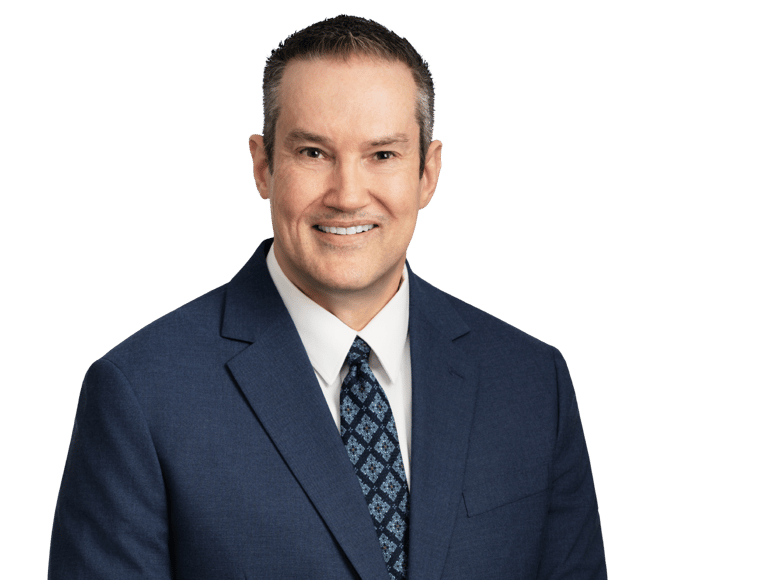
Portrait of John J. Hare

John is a member of Marshall Dennehey's three-person Executive Committee, which is responsible for the firm’s daily operations and management of more than 500 attorneys across 19 offices in seven states. He also serves on the firm’s Board of Directors and as chair of the fifteen-attorney Appellate Advocacy & Post-Trial Practice.

As appellate counsel, John has represented individuals, corporations, and insurers in hundreds of appeals in state and federal courts, including many of Pennsylvania’s highest-profile civil appeals. At the 2026 Pennsylvania Legal Awards, American Lawyer Media named John "Pennsylvania Attorney of the Year" along with Chip Becker of Kline & Specter.  In the prior year, John and Chip were opposing counsel in appeals involving more than $3.5 billion in jury verdicts.

As amicus curiae counsel, John has represented a diverse clientele, including the United States Chamber of Commerce, the Pennsylvania Chamber of Business and Industry, the American Medical Association, the Pennsylvania Medical Society, the Pennsylvania Defense Institute, the American Society for the Prevention of Cruelty to Animals, other Pennsylvania lawyers, and academics interested in the outcome of appellate litigation.

John is actively involved in the Pennsylvania legal community. He has edited and co-authored two books on Pennsylvania appellate courts. The Supreme Court of Pennsylvania; Life and Law in the Commonwealth, 1684-2017, was published by the Pennsylvania State University Press in 2018. Keystone of Justice: The Pennsylvania Superior Court, 1895-1995, was published by the Commonwealth of Pennsylvania in 2000.  

John serves by appointment of the Supreme Court of Pennsylvania as the co-chair of the Court’s Historical Commission and on the Commission on Judicial Independence, a group of state and federal judges, academics, and attorneys who promote public awareness of the importance of a strong and independent judiciary. He also spent six years on the Supreme Court’s Civil Procedural Rules Committee, the last two years as chair, and served on the Board of Governors of the Bar Association of the Third Federal Circuit and as co-chair of the Amicus Curiae Committee of the Pennsylvania Defense Institute. He also serves on the advisory board of Ohlbaum on the Pennsylvania Rules of Evidence (Lexis-Nexis) and regularly speaks at appellate court events and continuing legal education seminars.

Pennsylvania Super Lawyers magazine has repeatedly recognized John as a Top 100 lawyer in both Philadelphia and Pennsylvania based on a peer selection and evaluation process. He has also been selected as a Super Lawyer in the area of appellate practice every year since 2008. He has been repeatedly selected to The Best Lawyers in America and is a Fellow of the invitation-only American Academy of Appellate Lawyers, a member of the International Association of Defense Counsel, and has an AV Preeminent (5.0/5.0) rating by Martindale-Hubbell, the highest rating for professional competence.

John is regularly called upon by the media to provide insight and commentary on significant legal issues. To view recent articles in which John is quoted, click the Media Commentary section below.

    • Princeton University (1999)
      • coursework completed for Ph.D.
    • University of California, Berkeley (M.A., 1998)
    • Thomas R. Kline School of Law of Duquesne University (J.D., 1993)
      • Editor Duquesne Law Review
    • Indiana University of Pennsylvania (B.A., magna cum laude, 1990)
    • Pennsylvania, 1994
    • U.S. Supreme Court
    • U.S. Court of Appeals 3rd Circuit
    • U.S. Court of Appeals 4th Circuit
    • U.S. District Court Eastern District of Pennsylvania
    • U.S. District Court Middle District of Pennsylvania
    • Supreme Court of the United States
    • Attorney of the Year, 2026, by Law.com and The Legal Intelligencer
    • Chambers USA, Pennsylvania: Litigation: Appellate, Band One (2025-2026)
    • Legal 500 Philadelphia Legal Elite, Commercial Disputes (2025-2026)
    • AV® Preeminent™ by Martindale-Hubbell®
    • The Best Lawyers in America©, Appellate Practice (2024-2026)
    • Pennsylvania Super Lawyers (2008-2026; Top 100 in Pennsylvania, 2018-2026; Top 100 in Philadelphia, 2018-2026)
    • Philadelphia Business Journal, Best of the Bar Award, 2023 and 2018
    • The Philadelphia Inquirer, Influencers of Law Award, 2019
    • American Academy of Appellate Lawyers, Fellow, 2016
    • Bar Association for the Third Federal Circuit
    • International Association of Defense Counsel, 2018
    • Pennsylvania Bar Association
    • Pennsylvania Defense Institute, 2008
    • Pennsylvania Supreme Court, Civil Procedural Rules Committee, 2015-2021; Chair, 2019-2021
    • Pennsylvania Supreme Court, Historical Commission, Co-Chair, 2023
    • Pennsylvania Supreme Court, Commission on Judicial Independence, 2024
    • Combatting Nuclear Verdicts in Plaintiff-Friendly Jurisdictions, A.M. Best Insurance Law Podcast, October 30, 2025
    • New Voir Dire Rule  Pa.R.C.P. 220.3, Philadelphia Bar Association Live Webcast CLE, March 19, 2025
    • Speak Easy and Write Stuff: Effective Communication Techniques for Appellate Courts, CLE presented to Superior Court of Pennsylvania judges, law clerks, and legal staff, September 22, 2023
    • The Chief Justices of Pennsylvania, CLE presented to Supreme Court of Pennsylvania at The Lawyers Club of Philadelphia, September 14, 2023
    • The Transformation of Pennsylvania Law, CLE presented for Pennsylvania Coalition for Civil Justice Reform, September 11, 2023
    • Annual Civil Litigation Update 2023, Pennsylvania Bar Institute, August 31, 2023
    • Litigation Update Seminar, Pennsylvania Coalition for Civil Justice Reform, May 29, 2023
    • The Development of Our Supreme Court, Tricentennial Anniversary of the Supreme Court of Pennsylvania, National Constitution Center, May 21-22, 2022, Moderator and Speaker
    • Civil Litigation Update 2022, Pennsylvania Bar Institute, March 4, 2022
    • Civil Litigation Update 2021, Pennsylvania Bar Institute, March 4, 2021
    • Judicial Engagement and the Pennsylvania Constitution, Institute for Justice, Center for Judicial Engagement, October 16, 2020
    • The “New” Pennsylvania Supreme Court; Reflections on the Last Three-Plus Years, Pennsylvania Bar Institute, September 9, 2019
    • Your Case is in the News; Handling High-Profile Litigation, Moderator, American Academy of Appellate Lawyers, 2019 Spring Conference, April 13, 2019
    • The Pennsylvania Constitution: An Independent Source of Rights and Judicial Power, Pennsylvania State Trial Judges Conference, February 21, 2019
    • The Supreme Court of Pennsylvania: Life and Law in the Commonwealth, 1684-2017: A Conversation, hosted by Duquesne University for Pennsylvania Supreme Court, October 24, 2018
    • "What Lawyers Can do to Protect and Promote Judicial Independence,” Pennsylvania Bar Association Quarterly, January 2026
    • "Chief Justice Baer and the Supreme Court’s Tricentennial Anniversary," 62 Duquesne Law Review 1, Winter 2024
    • "Medical Malpractice Venue Un-Reform," Claims Judicial and Legislative Affairs Quarterly Update (CJLA), Spring 2023
    • The Supreme Court of Pennsylvania; Life and Law in the Commonwealth, 1684-2017 (Hare ed., Penn State, 2018)
    • "What’s New In 2017? Filing Trends and Developments In Asbestos Litigation," Mealey's Litigation Reports, August 16, 2017
    • "Sunlight is the Best Disinfectant; Solutions to the Concealment of Asbestos Trust Filings in Tort Litigation," For The Defense, April 2016
    • "Uncloaking Bankruptcy Trust Filings In Asbestos Litigation: Refuting the Myths About Transparency," Mealey's Asbestos Bankruptcy Report and Mealey's Litigation Report Asbestos, April 2016
    • "Uncloaking Bankruptcy Trust Filings In Asbestos Litigation: A Survey Of Solutions To The Types Of Conduct Exposed In Garlock's Bankruptcy," Mealey's Asbestos Bankrupcty Report, August 28, 2015
    • "Keystone of Justice: The Pennsylvania Superior Court, 1895-1995," Pennsylvania Press, 2000
    • "Pa. Supreme Court justices rarely lose seats in retention elections, so why is this year's race so important?", Philly Voice, September 29, 2025
    • "Monsanto Takes Roundup Preemption Defense to Pennsylvania Supreme Court,"The Legal Intelligencer, August 15, 2025
    • "Where Did All of Philadelphia's Big Verdicts Go?"The Legal Intelligencer, July 31, 2025
    • "Key Issue in Roundup Litigation Gets First-Time Review From Pa. Appeals Court,"The Legal Intelligencer, March 28, 2025
    • "Justices Wary of Overturning Longstanding Precedent on Tort Immunity for General Contractors,"The Legal Intelligencer, March 6, 2025
    • "Diving Into a Judicial Hellhole – A look at ATRF’s latest list and examining the top jurisdiction,"CLM Magazine, January 7, 2025
    • "Philly and the Pa. Supreme Court Are Top 'Judicial Hellholes,' A Tort Reform Group Says. Trial Attorneys Aren't Happy."The Philadelphia Inquirer, December 12, 2024.
    • "Judge Orders New Trial in Temple Health Medical Malpractice Case with $45 Million Jury Verdict,"The Philadelphia Inquirer, December 11, 2024
    • "Turning the Tables: Defense Litigators Embrace Lawsuits, Alleging Fraud at Plaintiffs Shops,"The American Lawyer, October 7, 2024
    • "Pa. High Court Reversal Rate of Superior Court Rulings Has Plummeted, Report Shows,"The Legal Intelligencer, April 23, 2024
    • "As Stakes Escalate, Kline & Specter Begin Stepping in to Defend Phila.’s Largest Verdicts Post-Trial,"The Legal Intelligencer, January 31, 2024
    • "Parties Clash Over Jury Instruction in Hearing on $976M Defective Seatbelt Verdict,"The Legal Intelligencer, April 2, 2024
    • "Unanimity Is Rare on Pennsylvania Supreme Court, Data Reveals," The Legal Intelligencer, February 15, 2024
    • "Pennsylvania Litigation To Watch In 2024" Law360, January 1, 2024
    • "Top Pennsylvania Cases of 2023," Law360, December 21, 2023
    • "'Passion and Prejudice': Mitsubishi Seeks to Overturn Nearly $1B Defective Seatbelt Verdict,"The Legal Intelligencer, November 15, 2023
    • "Superior Court Breaks String of Plaintiff-Side Forum Rulings, Upholding Case's Move From Phila." The Legal Intelligencer, November 1, 2023
    • "Could Proposed Changes to Civil Jury Selection Rules Slow Down Pa.'s Courts?" The Legal Intelligencer, September 21, 2023
    • "Pa. Civil Law Has Developed Pro-Plaintiff Slant, PCCJR Panelists Say," The Legal Intelligencer, September 11, 2023
    • "Jury Verdicts Like the $183 Million Award Against Penn Medicine Can Be Tied Up for Years, But Usually Stand," The Philadelphia Inquirer, May 2, 2023
    • "PA Budget, Political Appointment Decisions for Gov. Josh Shapiro," GoErie.com, January 3, 2023
    • "Defense Attorneys Brace for Impacts as Medical Malpractice Venue Rule Changes Loom," The Legal Intelligencer, October 5, 2022
    • "Pa. Legal Community Remembers Chief Justice Baer as a Consensus Builder, Family Law Icon," The Legal Intelligencer, October 3, 2022
    • "Lawyers Argue for New Trial, Reduction of $19 Million Verdict for Pool Injury," The Tribune-Review, August 8, 2022
    • "Woman Gifted Groupon Massage Must Arbitrate Assault Claims: Court," Pennsylvania Law Weekly, August 2, 2022
    • "Guns, Abortion & Voting Rights: 5 Critical PA Supreme Court Cases to Keep an Eye on in 2022," Pocono Record, July 18, 2022
    • "Plaintiffs Seek to Narrow Pa. High Court's Ruling Axing Jurisdiction by Business Registration," The Legal Intelligencer, February 1, 2022
    • "Pa. Justices: Defense Attorney's Question During Ex-NFL Player's Med Mal Trial Was Not Improper," Pennsylvania Law Weekly, December 28, 2021
    • "Pa. Justices Say Two Disputed Words Don't Warrant New Trial," Law360, December 22, 2021
    • "Pa. Justices Split Over Whether Two Words Warrant Retrial," Law360, September 21, 2021
    • "'Even Bad People': Legal Community Divided on Unpopular Decision That Freed Cosby," The Legal Intelligencer, July 1, 2021
    • "Pa. Cases to Watch in 2021: Midyear Report," Law360, July 9, 2021
    • "Pa. Atty Off Hook for Extended Interest on Malpractice Award," Law360, March 31, 2021
    • "Pa. Justices Snub Appeal Over Axed $40M Spinal Injury Award," Law360, March 30, 2021
    • "Pennsylvania Cases to Watch in 2021," Law360, January 3, 2021
    • "Pa. Court Scraps $40M Suburban Phila. Jury Verdict Over Birth Injury," The Legal Intelligencer, July 20, 2020
    • "Measure to Split Pa. Court Seats Seen as Political Play," Law360, July 17, 2020
    • "Pa. Panel Wipes Out $40M Award for Baby's Spinal Injury," Law360, July 16, 2020
    • "Top Pennsylvania Cases of 2020: A Midyear Report," Law360, July 2, 2020
    • "3rd Circ. Punts Amazon Seller Liability Case to Pa. Justices," Law360, June 2, 2020
    • "Panel Axes $10M Award in Surgery Patient's Drug Death Suit," Law360, April 9, 2020
    • "Pa. Appeals Court Slashes Award; Finds Jury Went Too Far With $10 Million Verdict," The Legal Intelligencer, April 9, 2020
    • "Pennsylvania Cases to Watch in 2020", Law 360, January 3, 2020 
    • "Drifting Away From Precedent?: Some See Pa. Supreme Court Upending Established Case Law," Pennsylvania Law Weekly, December 23, 2019
    • "The Biggest Pa. Appellate Rulings Of 2019: Midyear Report," Law360, July 3, 2019
    • "Pa. Jurisdiction in Grenfell Tower Suit May be Tested by Evolving Case Law," The Legal Intelligencer, June 12, 2019
    • “Law Firms Going ‘Old School’ as Phila. Court System Struggles to Recover From Computer Virus,” The Legal Intelligencer, May 31, 2019
    • "At Last, Unpublished Superior Court Opinions Can Be Cited. Now What?," The Legal Intelligencer, March 29, 2019
    • "This Pennsylvania Committee Is Proposing Changes That Benefit Five Of Its Members' Law Firms," Forbes and Pennsylvania Record, February 19, 2019
    • "Tough Sell On Cancer Link Awaits At 1st Philly Talc Trial," Law360, February 5, 2019
    • "CBS Tells Justices No Liability For Asbestos Added By Others, Law360, September 20, 2018
    • "The Biggest Pa. Appellate Rulings Of 2018: Midyear Report," Law360, July 12, 2018
    • "Judge Says Pa.'s Corporate Registration Law Doesn't Create Jurisdiction," The Legal Intelligencer, June 11, 2018
    • "Superior Court Throws Out $32M Wrongful Death Award," The Legal Intelligencer, May 3, 2018
    • "Pa. Tort Ruling Highlights Discrepancies in Jury Instructions," Law360, February 23, 2018
    • "Commonwealth Court: Philly Beverage Tax is Legal," WHYY's Keystone Crossroads, June 14, 2017. John's interview about the soda tax also aired on WHYY's Morning Edition program on June 16, 2017.
    • "Changes to PA Tort Law Not Coming Fast Enough, Attorneys Say," Law360, April 20, 2017
    • "Justices' 'Abnormal' Requests Pose Legislative Challenges," The Legal Intelligencer, October 7, 2017
    • "Attorneys Agree Ban on Citing Nonprecedential Opinions is a Hurdle," The Legal Intelligencer, September 1, 2016
    • "The Biggest PA Appeals Court Decisions So Far in 2016," Law360, August 4, 2016
    • "Appellate Courts Prepare to Transition Interim Appointees," The Legal Intelligencer, July 11, 2016
    • "Zimmer Win May Force Harder Look at Runaway Verdicts," Law360, June 10, 2016
    • "'When in Doubt, Appeal' in Consolidated Cases," The Legal Intelligencer, May 31, 2016
    • "Superior Court's 2016 Output Low on Civil Rulings," The Legal Intelligencer, May 27, 2016
    • "Revamped PA High Court Looks To Make Mark on Tort Law," Law360, February 4, 2016
    • "Supreme Court Orders Reargument in 26 Cases From 2015," The Legal Intelligencer, January 22, 2016.
    • "Intermediate Courts Must Weather Vacancies," The Legal Intelligencer, January 9, 2016
    • "Supreme Court Justice J. Michael Eakin Tearfully Apologizes, Defends Reputation in Porn Email Hearing," Allentown Morning Call, December 21, 2015
    • "Eakin, 'Bruno' and the State of Judicial Discipline in PA," The Legal Intelligencer, December 18, 2015
    • "JCB Faces Challenges in Proving Violations by Eakin," The Legal Intelligencer, December 11, 2015
    • "Litigants May Test High Court After Turnover," Pennsylvania Law Weekly, November 17, 2015
    • "Dems' PA High Court Sweep Could Shake Up Enviro, Tort Law," Law360, November 4, 2015
    • "Report: Supreme Court Should Defer to JCB on Eakin Emails," The Legal Intelligencer, November 3, 2015
    • "Zimmer Ruling Continues Pa. Justices' Pro-Plaintiff Trend," Law360, October 28, 2015
    • "Lawyers Say Discipline, Not Removal, Likely for Eakin," Pennsylvania Law Weekly, October 20, 2015
    • "Rekindled Email Scandal Tests State Supreme Court, Again," The Legal Intelligencer, October 6, 2015
    • "Saylor's Comments Raise More Questions Over AG Kane's Fate," The Legal Intelligencer, September 30, 2015
    • "Fee Sanctions Must Be Filed Soon After Final Order," Pennsylvania Law Weekly, September 28, 2015
    • "Rule Changes Clear Up Legal Gray Area in Post-Trial Motions," Legal Intelligencer, July 14, 2015
    • "Raising Pa. Supreme Court Output Easier Said Than Done?," Pennsylvania Law Weekly, March 31, 2015
    • "Police Owe No Duty to Unknown Passengers in Fleeing Car," The Legal Intelligencer, January 5, 2015
    • "Pennsylvania Cases To Watch In 2015," Law360, January 2, 2015
    • Amagasu v. Mitsubishi, 2025 WL 3708201 (Pa. Super. 2025) (vacating $1.09 billion jury verdict and remanding for new trial)
    • Yoder v. McCarthy Constr., Inc., 345 A.3d 668 (Pa. 2025) (vacating $5.6 million judgment and remanding for further proceedings)
    • Gustafson v. Springfield, Inc., 333 A.3d 651 (Pa. 2025), cert. denied, 25-120, 2025 WL 3620464 (U.S. Dec. 15, 2025) (reversing Superior Court and holding that federal Protection of Lawful Commerce in Arms Act (PLCAA) was constitutional)
    • Smith v. CMS W., Inc., 305 A.3d 593 (Pa. Super. 2023) (applying forum non conveniens to transfer litigation out of Philadelphia County)
    • Johnson v. Toll Bros., Inc., 302 A.3d 1231 (Pa. Super. 2023) (rejecting challenge to Pennsylvania’s construction statute of repose)
    • Doe v. Hand & Stone Franchise Corp., 283 A.3d 391 (Pa. Super. 2022) (enforcing arbitration provisions in online marketing agreement)
    • Steltz v. Meyers, 265 A.3d 335 (Pa. 2021) (reversing lower courts and reinstating defense jury verdict for physician and practice group improperly blamed for ending NFL player’s career)
    • Charlton v. Troy, 236 A.3d 22 (Pa. Super. 2020), reargument denied (Sept. 23, 2020), appeal denied, 251 A.3d 772 (Pa. 2021) (vacating $40.2 million jury verdict and remanding for new trial)
    • Ramsey v. Buchanan Auto Park, 2021 WL 5165823 (M.D. Pa. 2021) (vacating $500,000 jury verdict and remanding for new trial)
    • Roverano v. John Crane, Inc., 226 A.3d 526 (Pa. 2020) (reversing Superior Court and holding that juries may apportion liability to nonparty bankruptcy trusts) (amicus counsel for defense organizations)
    • Kimble v. Laser Spine Institute et al., No. 2016-00569 (Chester Cty., 2019) (vacating $10 million jury verdict and granting judgment n.o.v.)
    • Straw v. Golon et al.,187 A.3d 966 (Pa. Super. 2018), appeal denied, 2019 Pa.LEXIS 950 (Pa. 2019) (vacating $35 million judgment and remanding for new trial)
    • Commonwealth v. Muniz, 164 A.3d 1189 (Pa. 2017) (reversing Superior Court and holding that retroactive registration under Pennsylvania’s Megan’s Law violates ex post facto clauses of the United States and Pennsylvania constitutions) (amicus counsel for 22 individuals)
    • Rost v. Ford Motor Co., 151 A.3d 1032 (Pa. 2016) (invalidating Philadelphia’s mandatory consolidation of asbestos cases for trial) (amicus counsel for defense organizations)
    • Keith v. Commonwealth ex rel. Pa. Dep't of Agric., 151 A.3d 687 (Pa. Cmwlth. 2016) (invalidating Department of Agriculture regulations permitting commercial dog breeders to restrict nursing mothers' access to exercise areas and use wire flooring in cages) (amicus counsel for American Society for the Prevention of Cruelty to Animals)
    • Nertavich v. PPL Elec. Utilities, 124 A.3d 734 (Pa. 2015) (vacating $4.6 million jury verdict and granting judgment n.o.v.) (amicus counsel for defense organizations)
    • Nelson v. Airco Welders Supply, 107 A.3d 146 (Pa. Super. 2014), appeal denied, (Pa. 2017) (vacating $14.5 million jury verdict and remanding for new trial)
    • Sellers v. Twp. of Abington, 106 A.3d 679 (Pa. 2014) (upholding lower court rulings that police officers ow no duty to unknown passengers in fleeing vehicles)
    • Patton v. Worthington Associates, Inc., 89 A.3d 643 (Pa. 2014) (vacating $1.5 million jury verdict and granting judgment n.o.v.)
    • Vanderhoff v. Harleysville Ins. Co., 78 A.3d 1060 (Pa. 2013) (holding that showing of prejudice due to insured’s untimely notice did not require proof of what insurer would have found had notice been timely)
    • McGarvey v. Penske Auto Grp., Inc., 486 Fed.Appx. 276 (3d Cir. 2012) (holding that warranty for auto theft system did not violate New Jersey Truth–in–Consumer Contract, Warranty, and Notice Act (NJTCCA)).
    • Edkin v. Brethren Mut. Ins. Co., 24 A.3d 444 (Pa. Super. 2011) (vacating $2 million verdict and granting judgment n.o.v.)
    • Griffin v. Harrisburg Prop. Servs., Inc., 421 Fed.Appx. 204 (3d Cir. 2011) (affirming district court ruling that employer’s adequate remedial action precluded liability for harassment)
    • State Farm Fire & Cas. Co. v. Estate of Mehlman, 589 F.3d 105 (3d Cir. 2009) (reversing district court and holding that insurer had no duty to provide coverage for victim’s lawsuit based on insured’s intentional conduct)
    • Urbach v. Kentile, 915 A.2d 159 (Pa. Super. 2006) (vacating $5 million jury verdict and remanding for new trial)
    • Toogood v. Rogal, 824 A.2d 1140 (Pa. 2003) (vacating $465,000 jury verdict and granting judgment n.o.v.)
    • Philadelphia Owners Association v. City of Philadelphia et al., 57 Fed. Appx. 961 (3d Cir. 2003) (reversing district court and ruling that municipal ordinance did not violate the Equal Protection Clause of the United States Constitution)
    • Van Zandt v. Holy Redeemer Hosp., 823 A.2d 145 (Pa. 2003) (vacating $323,000 jury verdict and granting judgment n.o.v.)
    • Smith v. Rao, No. 2899 EDA 2001 (Pa. Super. 2002) (vacating $3 million jury verdict and remanding for new trial)

Results

Favorable Precedential Decision Obtained in High-Stakes Construction Defect Case

We prevailed in a unanimous, precedential decision in the Superior Court of Pennsylvania, which reconciled conflicting case law in the state. The plaintiffs were joined by 55 amici, and our client was joined by numerous construction organizations as amici. The court eventually applied Pennsylvania’s statute of repose to bar construction defect claims brought by homeowners.

Pennsylvania Appellate Courts Uphold Nonsuit Obtained By Jack Delany In $11.5 Million Construction Death Case

By Order dated April 5, 2023, the Supreme Court of Pennsylvania refused to review the Superior Court’s affirmance of a 2021 nonsuit obtained by Jack Delany in hotly contested litigation stemming from the death of a construction worker. John Hare and Shane Haselbarth handled the appeal along with Jack. The Supreme Court’s ruling ends more than five years of litigation that arose from the construction worker’s death while he was involved in the Pier 78 renovation project on the Delaware River in Philadelphia. The plaintiff sued the general contractor and others involved in the project and ultimately settled with the general contractor for $10.5 million. The general contractor then pursued a contractual indemnification claim against Jack Delany’s concrete subcontractor client on the Pier 78 project. The indemnification claim included the $10.5 million settlement plus approximately $1 million in attorneys’ fees.   The case proceeded to trial in 2021 and, at the close of the general contractor’s case-in-chief, Jack moved for and was granted a nonsuit on the basis that the general contractor was the deceased construction workers’ statutory employer pursuant to the five-element test set forth by the PA Supreme Court in McDonald v. Levinson Steel, 153 A. 424 (Pa. 1930). The case was especially notable because, rather than retaining an attorney to address the reasonableness of the amount of the underlying settlement, which is typical, Jack retained an economist to explain that, based upon his analysis of comparable cases, the settlement amount was excessive. The general contractor appealed the nonsuit. In an unanimous decision dated September 30, 2022, the Superior Court affirmed. The Supreme Court denial of allowance of appeal brings the lengthy litigation to an end.    

Thought Leadership

Events

Firm Highlights

News

Marshall Dennehey’s John J. Hare Brings Home Attorney of the Year Honors; Firm Named Litigation Department of the Year in Two Categories

Marshall Dennehey took home top honors in three categories at the The Legal Intelligencer’s 2026 Pennsylvania Legal Awards, held June 11 in Philadelphia. The first place awards include: Attorney of the Year: John J. Hare, Chair of the firm’s Appellate Advocacy & Post-Trial Practice Group and Executive Committee member, together with Charles “Chip” Becker of Kline & Specter Litigation Department of the Year, Appellate – Third Win in a Row! Litigation Department of the Year, Product Liability/Mass Torts “There is no one more deserving of Attorney of the Year honors than John. This award is a testament to his exceptional skill, dedication, and leadership—qualities that truly exemplify the very best of our firm,” said G. Mark Thompson, Marshall Dennehey’s President & CEO. “These honors also reflect the strength and depth of our product liability, mass torts, and appellate practices across Pennsylvania and beyond, underscoring our ongoing commitment to delivering outstanding results for our clients.” Attorney of the Year – John J. Hare, Marshall Dennehey, together with Charles “Chip” Becker, Kline & Specter Over the past year, John and Charles were opposing counsel in many of the highest-profile civil appeals in Pennsylvania. John is renowned as a preeminent appellate lawyer on the defense side, and Chip on the plaintiff's side. They have opposed each other repeatedly, exhibiting peerless professionalism and exceptional civility, while zealously litigating under the unremitting pressure of high-profile litigation and record-setting verdicts totaling more than $3.5 billion. They have also collaborated, outside of litigation, on many commissions, committees, and projects of importance to the Pennsylvania judiciary and legal community. Litigation Department of the Year – Appellate Law, Winner (previous winner, 2025 and 2024) 2025 was another standout year for the firm’s Appellate Advocacy & Post‑Trial Practice Group, led by John J. Hare, which was retained to challenge many of Pennsylvania’s “nuclear” verdicts—awards exceeding $10 million. Notably, the department persuaded the Pennsylvania Superior Court to reverse a Philadelphia judgment of $1.09 billion, the largest judgment ever overturned by a Pennsylvania appellate court. The group’s 11 full‑time Pennsylvania‑based appellate lawyers are at the center of Pennsylvania’s most high-profile matters, bringing more than 150 years of combined appellate experience. They routinely handle post‑trial and appellate matters and are frequently engaged to participate in and monitor trials in high‑exposure cases to ensure that critical legal issues are properly raised and preserved for appeal. Litigation Department of the Year – Product Liability/Mass Torts, Winner This marks the first win for the firm’s Pennsylvania Product Liability and Mass Torts practices, which operate within our Casualty Department, managed by Matthew Schorr and Jeff Rapattoni. For almost five decades, Fortune 500 product manufacturers/distributors and their insurers have turned to these groups to defend their litigation. Led by Bradley D. Remick and Vlada Tasich, our Product Liability group’s success can be attributed to its commitment to keeping abreast of ever-changing legal theories, judicial viewpoints, and evolving technology impacting the product liability landscape. Our attorneys have successfully handled thousands of product liability matters in all jurisdictions across the state. Likewise, our mass tort litigation practice – divided into Asbestos & Mass Tort, and Environmental & Toxic Tort Litigation –  has defended manufacturers, distributors, contractors, and premises owners in thousands of personal injury and other claims. Led by Kevin E. Hexstall and Patrick T. Reilly, most attorneys in these groups have more than 20 years of experience, and our seasoned trial team has tried hundreds of cases to verdict, consistently achieving strong results through both trials and settlements. In addition to these awards, Marshall Dennehey was a Litigation Department of the Year finalist for Professional Liability.

Thought Leadership

Unanimous New Jersey Supreme Court Holds That Personal Emails of Public Employees and Officials are Subject to OPRA

In Rosetti v. Ramapo-Indian Hills Regional High School Board of Education, the New Jersey Supreme Court unanimously held that government-related emails, which are contained within personal email accounts, are government records under the Open Public Records Act (OPRA), and a log of those emails must be produced when requested. In reaching this decision, the court conducted an analysis of the OPRA and cited previous cases that held that emails do in fact fall within OPRA’s definition of a record and must be produced when requested pursuant to the Act. The court in Rosetti then had to answer the question as to whether public officials’ personal email accounts that are used for government purposes are subject to OPRA, and found that they are. Rosetti made an OPRA request to the Board of Education seeking email logs from Board members’ personal email accounts. The Board refused to produce the logs and indicated that it was not under any obligation to produce personal email account logs, only from government-related email accounts. The issue was whether a log had to be produced for Board members’ personal email accounts, which they used to conduct Board business. The Board argued that while it was possible to create a log for government-related email accounts through its IT Department, it was not possible to do so for personal email accounts. The court rejected this argument and ruled that Board members are required to search their personal email accounts and create a log of government-related emails housed in those accounts. Once completed, each Board member then must submit a certification detailing the searches that were conducted. The court went one step further with a suggestion to government employees and officials, stating, “[g]overnment agencies should strongly advise their employees, elected officials, and others engaged in government-related business to refrain from using their personal email accounts when conducting government-related business.”  Please do not hesitate to contact me with any questions regarding this case and others pertaining to the OPRA. 

Thought Leadership

Pennsylvania Supreme Court Holds Self-Referral Prohibition Does Not Cover Prescriptions Written by Physicians with Ownership Interests in Dispensing Pharmacies

700 Pharmacy v. Bureau of Workers’ Compensation Fee Review Hearing Office (State Workers’ Insurance Fund); Nos. 97, 98, 99, 100, 101 MAP 2024; decided June 16, 2026; by Justice Mundy.   In this case, Drs. Miteswar Purewal and Shailen Jalali, treating physicians for workers’ compensation claimants, wrote prescriptions for various medications that were filled by 700 Pharmacy. The worker’s compensation insurer refused to pay for the prescriptions on the basis that they were illegal self-referrals under the Act. 700 Pharmacy subsequently filed fee review applications with The Bureau of Workers’ Compensation Medical Fee Review Office. At a fee review hearing, both physicians stipulated they had a financial interest in the pharmacy.  The physicians argued that the Anti-Referral Provision of the Act does not bar self-referrals on prescription drugs and pharmaceutical services, since the provision does not specifically identify prescription drugs. The Fee Review Hearing Officer rejected this argument and found that prescriptions for medications are prohibited under the “goods or services” language included in the provision. 700 Pharmacy appealed to the Commonwealth Court, and the court affirmed, agreeing with the Hearing Officer’s interpretation of “goods and services” as encompassing prescriptions. 700 Pharmacy appealed to the Supreme Court.  The Supreme Court reversed the decisions of the Hearing Officer and the Commonwealth Court, holding that the term “goods and services” in the Anti-Referral Provision of the Act did not include prescriptions. According to the Court, “goods and services” was not a catch-all, but simply explanatory as to the eight enumerated categories in the provision. The provision (Section 306(f.1)(3)(iii)) reads, in pertinent part: Notwithstanding any other provision of law, it is unlawful for a provider to refer a person for laboratory, physical therapy, rehabilitation, chiropractic, radiation oncology, psychometric, home infusion therapy  or diagnostic imaging, goods or services pursuant to this section if the provider has a financial interest with the person or in the entity that receives the referral. The Court said that if the General Assembly wanted to specifically include prescription drugs and pharmaceutical services in the Anti-Referral Provision, they would have done so. They pointed out that prescription drugs and pharmaceutical services were included by the legislature in Section 306 (f.1)(3)(vi) of the Act as to reimbursement, and claimed that their omission from the Anti-Referral Provision supports the conclusion that those services are not included in the Anti-Referral Provision’s self-referral prohibition.

Result

No-Cause Jury Verdict Secured in Wrongful Death Trial

We successfully obtained a no-cause jury verdict in a 13-day wrongful death trial. The decedent, a 59-year-old man, was admitted to the emergency room on February 15, 2019, with complaints of abdominal pain, decreased appetite, and constipation, despite the use of laxatives. The patient did not complain of any nausea, vomiting, or diarrhea. He had a significant medical history including diabetes, hypertension, prior coronary artery stenting, morbid obesity (with past gastric bypass surgery), longstanding ventral hernia, and back pain. A CT scan revealed multiple hernias and a potential closed-loop bowel obstruction, leading to a surgery consultation. Our client, an emergency general surgeon, interpreted that the patient did not have a closed loop or any significant obstruction and recommended non-surgical management. The patient was approved to have clear liquids, and had a vomiting incident shortly after, but our client was not notified. The patient was returned to NPO status, and after improving overnight, he was returned to “clears” and additional medical and renal consults were ordered. Our client did not receive any communications from the residents/nurses of any changes in the patient’s condition. On February 18, 2019, two rapid responses were called due to increased heart rate and vomiting. It is believed that the vomiting resulted in aspiration, causing sepsis, ultimately leading to the patient’s death. During the trial, the plaintiff’s sole medical expert highlighted imaging on the wrong hernia, which called into question all of his opinions in the case. We made key objections related to the expert testimony, limiting what the allegations were, and preventing new allegations from being made. After approximately two and a half hours of deliberating, the jury returned a no-cause verdict. 

Thought Leadership

Coverage Determined, Judgment Paid, Bad Faith Survives: Fourth DCA’s Opinion Highlights the Distinction Between Contractual and Extra-Contractual Damages

In Healthy Food Experts, LLC v. Amguard Ins. Co., No. 4D2025-0181 (4th DCA June 10, 2026), the Fourth District Court of Appeal explained that an insurer’s payment of a judgment in a breach of contract case does not automatically eliminate a later bad faith claim seeking extra-contractual damages. The decision provides guidance on when a first-party bad faith claim may still proceed after a coverage dispute has already been resolved by a judgment. Healthy Food Experts, LLC involved a dispute related to a property damage claim submitted under a commercial insurance policy issued by the insurer following a ceiling collapse at the insured’s restaurant. The insurer denied coverage for the insured’s losses for business personal property and business income, but extended coverage for the food spoilage losses. As a result, the insured filed a breach of contract action and ultimately obtained a jury verdict. The insurer appealed the verdict and, while the appeal was pending, the insured filed a Civil Remedy Notice (CRN) seeking payment for the judgment plus interest. The insurer failed to cure the CRN within the statutory sixty-day cure period, but paid the judgement in full with accrued interest following the appeals court’s per curiam affirmance. Nevertheless, the insured filed a first party bad faith lawsuit claiming to have suffered extra-contractual damages. In response to the bad faith suit, the insurer filed a Motion to Dismiss for failure to state a cause of action, relying on Fridman v. Safeco Insurance Co. of Illinois, 185 So. 3d 1214 (Fla. 2016) stating that damages were fixed by judgment of the breach of contract suit and the insured could not recover additional damages beyond those already awarded. The insurer also argued that the judgment did not exceed the insured’s policy limits, which was a required element of a first party bad faith claim. The trial court dismissed the bad faith action based on Fridman, concluding the insured could not seek any additional damages.  The insured appealed the court’s ruling to the Fourth DCA arguing the trial court’s order conflicts with Florida law and misapplies Fridman, as a contractual damage determination in the underlying suit establishes the “condition precedent to prosecute a first party bad faith action.” Cingari v. First Protective Ins. Co., 377 So. 3d 1169, 1174 (Fla. 4th DCA 2024). Further, the insured argued that the only purpose to the binding language in Fridman is to prevent the re-litigating of the same damages, which in this case are the contractual damages. The insured asserted the damages were not the “same” as they were seeking consequential damages from the insurer’s alleged bad faith. The Fourth District emphasized in its ruling that a first party bad faith claim is not ripe for litigation until there has been the following: a determination of the insurer’s liability for coverage; a determination of the extent of the insured’s contractual damages, and the required civil remedy notice is filed pursuant to §624.155(3)(a).  Demase v. State Farm Fla. Ins. Co., 239 So. 3d 218, 221 (Fla. 5th DCA 2018) The court concluded that the necessary conditions were satisfied as the jury verdict determined both coverage and the extent of the insured’s contractual damages, and the insured properly filed a civil remedy notice, so the bad faith claim was ripe for litigation. The Fourth DCA further explained the insured could not seek contractual damages in its bad faith action, which was previously litigated in its breach of contract suit. However, the court determined the insured could seek “extra-contractual damages,” which were not recoverable in the insured’s breach of contract suit, which may include interest, court cost, and reasonable attorney’s fees incurred by the insured. Further, the court held excess judgment is not essential in a first party bad faith claim and the insurer’s late payment of the judgment did not preclude the insured’s bad faith action. As a result, the Fourth District Court of Appeals reversed the trial court’s final dismissal order of the bad faith action. This opinion highlights the distinction between contractual and extra-contractual damages. Moreover, this case demonstrates that a judgment does not necessarily end the dispute in a first party property claim as it is could also serve as a prerequisite of a bad faith action. The decision serves as a reminder that insurers may face bad faith exposure notwithstanding the payment of a judgment in an underlying breach of contract action.